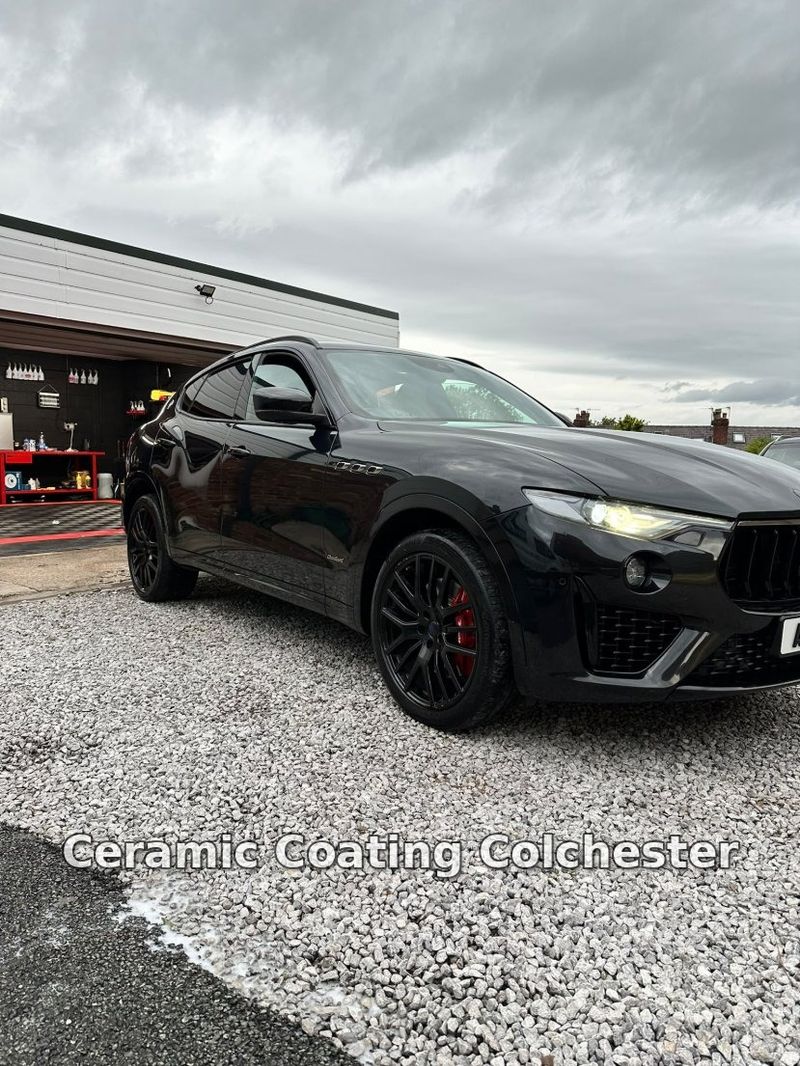
Can you put ceramic coating over ceramic coating?
Sometimes — but usually not directly. A healthy existing coating can sometimes accept a compatible topper to refresh it, but a worn, contaminated or unknown coating generally needs to be machine-polished off before a new one goes on. Coating over a failing layer just gives you a new coating with an old coating's lifespan.
The background on how coatings bond in the first place is in our ceramic coating guide.
TL;DR
- A fresh coating bonds best to clean, bare paint — not to another coating.
- A healthy existing layer can sometimes take a compatible topper; a tired one can't.
- Unknown product + unknown condition = strip it back. Guessing wastes your money.
- Water behaviour (beading/sheeting) is the quick health check for an old coating.
- When in doubt, machine polishing to remove the old layer is the safe, honest route.
The short answer, expanded
Ceramic coatings are designed to bond to paint, not to each other. Some manufacturers make topper products specifically designed to refresh their own coatings, and those can work well on a healthy base layer. But applying a full professional coating on top of an old, unknown or degraded one is a gamble: if the old layer is failing, the new one fails with it — and you've paid for a coating that's only as good as what's underneath.
When a refresh works
A topper or maintenance coating makes sense when:
- The original coating is known (you know what was applied, and when).
- Water behaviour is still decent — beading may have softened but the surface still sheets.
- The paint has been properly decontaminated first — sometimes a coating that "died" was just buried under grime.
- The topper is compatible — ideally the same manufacturer's maintenance product.
Think of it like re-oiling a wooden deck rather than re-laying it: maintenance for a healthy surface, not resurrection for a dead one.
When a strip is needed
Machine polishing to remove the old coating (fully or partially) is the right call when:
- The coating's age and product are unknown — e.g. you bought the car already coated.
- Water behaviour is flat even after a proper decontamination wash.
- The paint underneath needs correction anyway — swirls or defects that predate the coating.
- You're switching products — different manufacturers' chemistry isn't designed to interlock.
- The old coating is patchy — contamination or wear in some areas but not others.
This is machine polishing to remove the old coating doing exactly what it's for: giving the new layer a perfect foundation.
Topper vs strip: at a glance
| Topper / refresh | Full strip and re-coat | |
|---|---|---|
| Best for | Healthy coating, known product, light wear | Unknown, worn or failing coating |
| Preparation | Decontamination wash, then apply | Full decon + machine polishing |
| Cost and time | Less of both | More of both — it's essentially a fresh job |
| Result | Revived gloss and water behaviour | A new coating with a full lifespan ahead |
| Risk | Low, if compatible | Very low — the safe default |
How a good installer decides
They won't guess — they'll test. A proper assessment looks at water behaviour across panels, checks for contamination with a decontamination wash, and inspects the paint under lighting. If the base is sound and the product is compatible, a refresh is honest advice. If anything is uncertain, stripping back is honest advice. Be wary of anyone who offers to "just put another layer on" without inspecting the existing one.
What if you don't know what's on the car?
This is the most common real-world scenario: you bought the car used, the previous owner mentioned "it's been ceramic coated", and nobody knows what product or when. Here's the honest approach:
- Start with a decontamination wash — iron remover, tar remover, thorough clean. Sometimes the coating is fine and was just buried.
- Test the water behaviour — panel by panel. Strong beading everywhere suggests a living coating; patchy or flat behaviour suggests wear or failure.
- Inspect under lighting — look at the paint's actual condition. If there are swirls under a failing coating, you're heading for correction anyway.
- Default to a light polish — when the product is unknown, a light machine polish removes the old layer (whatever it was) and gives the new coating a known, clean foundation.
Guessing wrong is expensive in both directions: stripping a healthy coating wastes money, while coating over a dead one wastes the entire job. Testing first is always cheaper than either mistake.
Maintenance toppers, explained properly
A topper is a lighter, sprayable product designed to sit on an existing coating and refresh its gloss and water behaviour. Used correctly — on a decontaminated, healthy base layer, with a compatible product — toppers are genuinely useful maintenance: they extend the period between full applications and keep the car looking its best.
What a topper is not: a rescue product. Spraying a topper over a contaminated, failing coating gives you a few weeks of nice beading on top of a dying foundation. It's cosmetic, not structural. And layering random toppers from different manufacturers over each other is how you end up with a patchy, unpredictable surface. If you're maintaining a coating, use the maintenance products from the same manufacturer as the base — they're designed to work together, and your installer can confirm compatibility.
Who this isn't for
If your current coating is performing well and the car looks great, you probably don't need anything at all — save your money until the water behaviour tells you otherwise. And if you're hoping a new layer will fix a coating that's already failing or paint that's swirled underneath, it won't: that's a strip-and-correct job, or nothing.
Questions, answered honestly
Can you layer a new ceramic coating on top of an old one?
Do I need to remove the old ceramic coating before re-coating?
What is a ceramic coating topper?
How do I know if my old coating is still working?
Can different brands of coating be layered?
Get an exact quote for your car
Bring the car to our Hythe Quay studio and we'll assess the existing coating honestly — refresh if it's healthy, strip and re-coat if it isn't, and nothing at all if it doesn't need it.
Call 07778 902278 · Request a quote